
Hoca Ahmed Fakih Mosque and Tomb
The 1221 inscribed tomb of Ahmed Fakih, an ecstatic Seljuk-era dervish, in a quiet courtyard on the old road to Meram.
Spiritual PlacesAbout
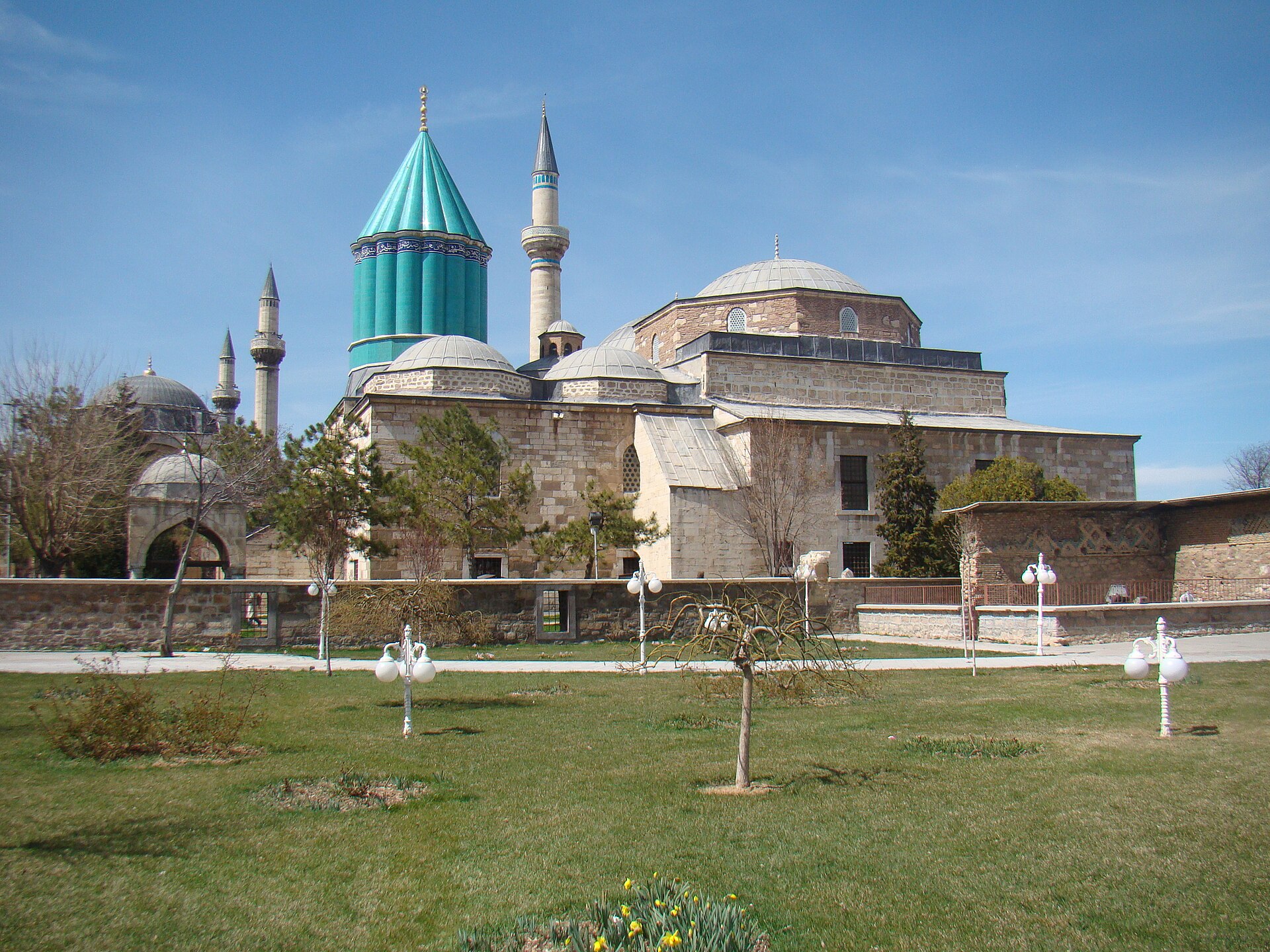
This small complex stands where the old roads from Konya to the Yaka vineyards and to Beyşehir once parted, and it keeps alive the memory of one of the most colourful figures of Seljuk Konya. According to the TDV Encyclopedia of Islam, the man buried here, Ahmed Fakih Kutbüddin, was a Turkmen dervish famed as an ecstatic 'abdal', whose miracles people still believed in long after his death; even Yunus Emre names him in a verse. The Arabic inscription in Seljuk thuluth above the tomb door hails him as king of the abdals and master of the ecstatics, and gives the year 618 (1221). Sources say his disciple Şeyh Alaman built the tomb that same year. The square tomb has a brick dome with a muqarnas skirt, and the stone at the head of the wooden cenotaph has a small niche for a candle. Mevlevi legend tells of an Ahmed Fakih who was so overwhelmed by the learning of Bahâeddin Veled, Rumi's father, that he threw his books into the fire and left for the mountains; scholars note, however, that several men of this name have been blended together in the stories. The present prayer hall is thought to have been the tomb's entrance; the lodge and bath recorded in archives are gone, and the buildings were renewed by the Directorate of Foundations in 1990. Look at the old gravestones in the burial ground, and keep your visit quiet and respectful.
Deals nearby
All →
Spiritual PlacesSimilar places nearby
All → 🕌 Spiritual Places · MeramSheikh Sadreddin Konevi Mosque and Tomb
🕌 🕌 Spiritual Places · MeramSadreddin Konevî Mosque & Tomb
 🕌 Spiritual Places · MeramHoca Hasan Mosque
🕌 🕌 Spiritual Places · MeramTavus Baba Tomb
 🕌 Spiritual Places · MeramHacı Veyiszâde Mosque